
Twelve Americans died in a Missouri skydiving plane crash, and early reports point to power loss while federal answers are still pending.
Story Snapshot
- Authorities confirmed 12 dead after a skydiving plane crashed near Butler Memorial Airport [1].
- Local officials described signs of power loss shortly after takeoff; no final cause yet [1].
- Federal investigators are expected to lead the probe; early media details remain limited [4].
- Families and a tight-knit skydiving community face a long wait for hard facts [4].
What Officials Confirmed In The First Hours
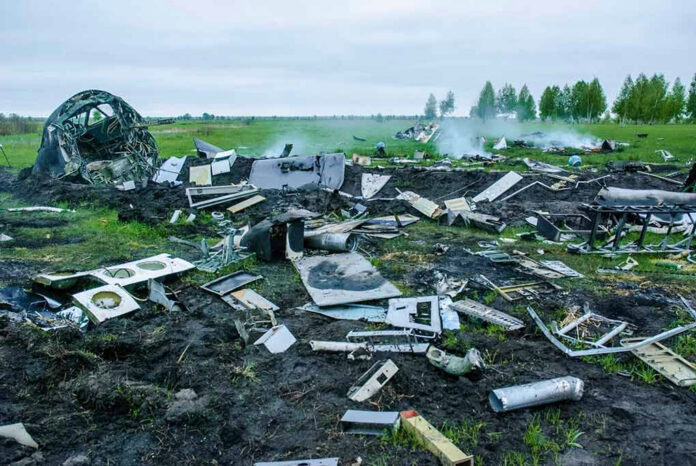
Missouri State Highway Patrol leaders said a skydiving plane crashed near Butler Memorial Airport on a Sunday late morning, killing 11 skydivers and the pilot. Reporters on scene repeated that confirmation after a formal briefing. Video from the site showed a large debris field and an intense response from local agencies. The operator said all 12 on board died. Officials began next-of-kin notifications and secured the site for federal investigators to arrive and start work [1].
Local coverage described the aircraft as a single-engine skydiving plane that went down shortly after takeoff. Broadcast clips showed investigators mapping wreckage and holding back on firm conclusions about cause. Reporters noted that state and local officials were handling the early response until federal teams could take over. Those teams would gather flight, maintenance, and weather details, then publish a factual record before naming any probable cause months later [2].
Early Working Theory: Possible Power Loss After Takeoff
A local airport and emergency official told media he believed the plane showed signs of losing power just after departure. He described the airplane taking off, turning, and then crashing, which can fit a stall after reduced thrust at low altitude. That is a common danger zone in aviation because there is little height or time to recover. He presented this as an opinion based on what he saw and heard, not as a final, technical finding backed by lab work [1].
National outlets repeated that investigators had not confirmed a cause. They emphasized that the National Transportation Safety Board would lead the technical probe. That process normally reviews the engine, propeller, fuel, and controls, along with pilot records and the operator’s maintenance logs. Weather, loading, and performance data also matter. Until those steps happen, talk of power loss is a working lead, not proof. Families deserve patience and truth, not guesswork [4].
What The Federal Probe Must Nail Down
Investigators will inspect the engine and propeller to see if they were making power at impact. They will check the fuel system for contamination, valve blockage, or vapor lock. They will study the airframe for control issues and examine parachute gear stowage and weight-and-balance numbers for the jump load. They will review training, recent maintenance, and any open discrepancies. If any avionics or trackers stored data, engineers will use it to map speed, climb, and turn performance [4].
🚨😭 12 killed in plane crash near Butler, Missouri. A skydiving plane went down shortly after takeoff from Butler Memorial Airport this morning, with all 11 skydivers and the pilot perishing in the crash.
Our deepest condolences go out to all the families and loved ones… pic.twitter.com/mU8EdLrmrZ
— The Watchdog (@TheWatchdoggs) June 14, 2026
Investigators will also gather witness statements on engine sound and flight attitude. If people heard surging, sputtering, or silence, that matters. If the airplane turned steeply at low speed, that can show an aerodynamic stall. If parts show pre-impact failures, that points to mechanical issues. If loads, heat, or winds cut performance, that will be weighed. The goal is simple: find facts, name cause, and issue fixes that stop this from happening again [4].
Why Clear Answers Matter To Readers
Families deserve straight answers and real accountability, not media spin. Early reporting often gets ahead of the facts and hardens a story before engineers confirm the truth. That hurts trust and delays safety lessons. Conservatives value competence and transparency in government. The National Transportation Safety Board and the Federal Aviation Administration should move fast, share what they can, and stick to evidence. Good policy follows facts, not theories tossed out on live television [4].
Local skydivers, pilots, and small-town neighbors carry the heaviest load now. They lost friends and need a full, fair record. The Trump administration’s safety teams should cut red tape that slows document releases and make sure families see the docket as soon as possible. Honest findings help pilots train better and operators maintain smarter. That approach protects life, respects taxpayers, and honors those we lost in Butler with reforms that matter, not headlines that fade [1].
Sources:
[1] YouTube – Plane crash in Missouri kills 12: Skydivers and pilot die after …
[2] YouTube – 11 skydivers, pilot killed in Missouri plane crash
[4] YouTube – Video shows plane crash site in Missouri that left 12 dead