
Defense Secretary Pete Hegseth has launched a hard‑line Pentagon–Justice Department task force to hunt down and prosecute insiders who leak sensitive national defense information to the media.
Story Snapshot
- Hegseth and the Justice Department created a joint task force to identify and prosecute leaks of sensitive defense information to news outlets.
- The Pentagon’s Office of General Counsel now has power to demand records from every department office, with a strict 48‑hour deadline to respond.
- The White House says Pentagon leaks “will not be tolerated,” backing a tougher stand after years of damaging disclosures.
- The crackdown aims to protect U.S. troops and missions while still operating within First Amendment limits on press freedom.
New Task Force Targets Insider Leaks to the Media
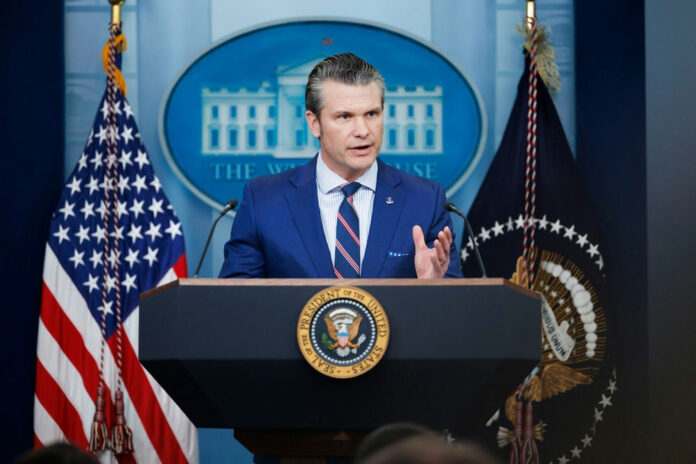
Defense Secretary Pete Hegseth announced that the Pentagon and the Department of Justice have formed a new joint task force focused on leaks of sensitive government information to news organizations. He described these leaks as unauthorized disclosures that can put American service members and missions at risk. The task force’s mission is clear and narrow: identify the source of leaks, build legal cases, and bring prosecution when the law has been broken. This marks a sharper, more organized response than past ad‑hoc leak hunts.
Hegseth made the announcement in a video posted on social media, speaking directly to the public and to Pentagon insiders. He framed the initiative as a stand with “our warriors” against those who betray confidential trust from inside the system. The partnership with the Department of Justice gives the task force federal prosecutorial muscle, signaling that the administration is ready to move from internal discipline to criminal charges in serious cases. The move follows years of high‑profile defense leaks that embarrassed Washington and exposed operations.
Pentagon General Counsel Given Sweeping Authority
The Defense Department’s Office of General Counsel has been put in charge of leak investigations inside the Pentagon and the renamed Department of War. Hegseth said he has delegated “tasking authority” to that office, meaning its lawyers can demand information, records, and support from every component of the department. Each Pentagon unit now has just 48 hours to respond when the Office of General Counsel asks for documents or data tied to a media leak probe. That tight deadline is meant to keep cases from dragging on and to stop foot‑dragging by resistant bureaucrats.
Officials close to the effort have framed it as a way to protect U.S. personnel by closing off sloppy or politically motivated leaks that might tip off enemies or expose active operations. For many conservatives who watched loose lips during past administrations harm American standing, this tougher structure may feel long overdue. At the same time, the formal role of the Office of General Counsel suggests the department wants investigations to follow clear legal rules, rather than shadowy hunts for suspected whistleblowers. The goal, as stated, is focused on “sensitive” information, not routine press briefings.
White House Backs Crackdown While Press Freedom Looms
At a recent briefing, White House Press Secretary Karoline Leavitt answered questions about Pentagon leaks and aides who were fired during a separate internal probe. She said the administration “is not going to tolerate individuals who leak to the mainstream media,” making clear that the mood in the West Wing matches Hegseth’s hard line. She left details of possible charges to the Federal Bureau of Investigation and the Department of Justice, but her words backed strong enforcement and sent a warning to would‑be leakers across government.
US Defense Secretary Pete Hegseth has launched a joint Pentagon-DOJ taskforce to aggressively prosecute media leaks, warning that those who expose sensitive data will face the 'full force of the law' https://t.co/cbbCVFwhfs
— Vinay Patel (@VinayPBPatel) July 14, 2026
This new task force sits in a long American debate over where national security ends and press freedom begins. Courts have held that the First Amendment protects news outlets that publish leaked material unless the disclosure is likely to cause serious and imminent harm to national security. Legal scholars also stress that freedom of expression limits criminal punishment of the press more than it limits punishment of insiders who break secrecy laws. That tension means the task force will focus on government employees and contractors, not reporters themselves, while still facing scrutiny over how “sensitive” is defined.
Historical Echoes and Conservative Stakes
For many, this crackdown recalls past battles such as the Pentagon Papers, when leaked Vietnam War documents led to a Supreme Court fight over blocking publication. Then, the Court stopped prior restraint, but insider leaks still drew intense government anger. Today’s task force does not seek to shut down newspapers. It instead aims to deter insiders from secretly feeding them defense secrets without authorization. After years of politicized leaking under earlier administrations, many conservatives see this as finally enforcing rules that were always on the books.
Conservative readers who value strong national defense, honest government, and the rule of law will likely view this move as a direct stand against deep‑state games and media grandstanding with classified material. Leak ethics experts say insiders are only justified in exposing secrets when they reveal clear illegal or unconstitutional acts, not simple policy disagreements or attempts to score headlines. By tightening the system and demanding fast cooperation from every Pentagon office, Hegseth’s task force signals that casual leaking is over. Those who cross the line may now face real legal consequences, not just a slap on the wrist.
Sources:
military.com, washingtonpost.com, reuters.com, democracynow.org, youtube.com, devdiscourse.com, scu.edu, wilmerhale.com, themediaonline.co.za, cps.gov.uk, archives.gov, britannica.com