
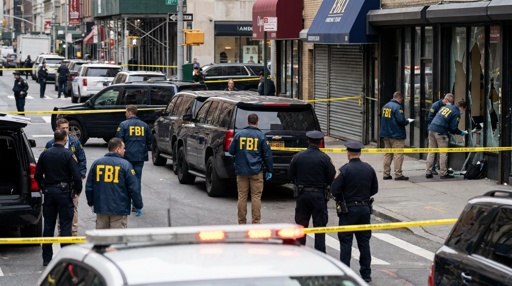
Federal immigration agents fatally shot a man in Houston after stopping the wrong vehicle, and now the clash over what really happened is exposing deep problems in how our government uses force and handles accountability.
Story Snapshot
- ICE says the driver tried to ram agents with his van and run one officer over before the shooting.
- A medical examiner ruled the death a homicide, and new video does not clearly show a ramming attack.
- Agents in Houston were not wearing body cameras, leaving a major gap in hard evidence.
- Federal officials sidelined local Texas authorities from the probe, raising fears of secretive overreach.
What ICE Says Happened During the Houston Stop
According to the Department of Homeland Security, immigration agents stopped Lorenzo Salgado Araujo’s white van in Houston because it looked like the vehicle of a suspect they were actually hunting, meaning he was never the planned target. Officials say Araujo tried to evade arrest, rammed an Immigration and Customs Enforcement vehicle, refused repeated verbal commands, and then used his van as a weapon to try to run over an officer, who fired in what they describe as self-defense. A spokesperson repeated that sequence to a Texas news outlet, stressing the claim that the agent faced a deadly threat from the moving vehicle. The Federal Bureau of Investigation in Houston opened a case into a possible assault on a federal officer, which shows the government is treating the ramming allegation as a serious charge. Houston fire crews later found Araujo with a gunshot wound to the abdomen, and he died from that injury.
The Department of Homeland Security’s own inspector general is leading a separate investigation into the shooting, which in theory should provide an independent review of whether deadly force met federal standards. On paper, immigration officers are only allowed to use deadly force when they have probable cause that a person poses an imminent danger of death or serious bodily harm. Federal officials are clearly framing the shooting inside that rule, arguing that a vehicle attack created a split-second life-or-death decision for the ICE agent. For many Americans who back strong border and immigration enforcement, that official story matters, because they want officers protected when they truly face lethal threats on the job.
Why Families and Local Leaders Are Pushing Back
The picture is very different when you look at what local officials, family members, and some media reports are saying. The Harris County Medical Examiner ruled Araujo’s death a homicide caused by a gunshot wound during an immigration operation, a legal finding that does not match a simple “self-defense” label. New surveillance footage presented by local media shows ICE sport utility vehicles boxing in the van, but the video does not clearly show Araujo ramming an agent’s vehicle or trying to run someone over, which leaves a gap between the official claims and what viewers can see. Araujo’s son has publicly said his father was shot inside the van by agents in unmarked vehicles, and that he heard his father crying for help while bleeding, a painful story that raises questions about how fast the situation escalated. Four Democratic members of Congress from Houston have formally demanded an independent investigation, full release of all video, and details on warrants and authorizations, reflecting a wider political push to challenge the federal narrative.
Local Texas authorities say they have been pushed to the sidelines. The Harris County district attorney has complained that federal agencies limited local participation in the probe, which fuels suspicion that Washington wants to control the story and the evidence. That kind of federal overreach is exactly what many conservatives fear: powerful agencies making deadly decisions in our communities, then shutting out local law enforcement from a full review. Civil rights groups and activists are also accusing immigration officials of withholding video and pressuring detained passengers from the van to sign “voluntary departure” agreements, which would send key witnesses out of the country before they can fully testify. So far, there has been no public forensic report on vehicle damage or sworn statements from those passengers, leaving both sides arguing largely over partial video and clashing verbal accounts.
The Body Camera Problem and a Troubling Pattern
One fact stands out for anyone who cares about honest government and the rule of law: the immigration officer who shot Araujo was not wearing a body camera, and agents in the Houston field office are still not equipped with them. The Department of Homeland Security has confirmed this gap, which means there is no direct officer footage to back up or disprove claims about ramming or an attempted assault. In an age when local police across America now use body cameras to protect both citizens and officers, this federal blind spot looks less like an oversight and more like a shield against scrutiny. Without video from the shooter, the most important moments will come down to the agent’s word versus incomplete outside footage and shaken witnesses.
State and local Harris County leaders held a press briefing to provide information on the ICE shooting death of Lorenzo Salgado Araujo and the passengers who were in the vehicle and detained by ICE. pic.twitter.com/No15AO9mOk
— FOX26Houston (@FOX26Houston) July 10, 2026
This is not an isolated case. Reports have documented dozens of shootings by immigration officers over the past decade, with many incidents involving claims that drivers “weaponized” their vehicles and tried to run agents over, only for video or later investigations to cast doubt on those stories. In Minneapolis, for example, an immigration agent killed Renee Good in her car during a raid, and federal officials again said she tried to ram officers, but bystander video appeared to show her turning away, not driving at them. A separate review found at least 59 shootings by Immigration and Customs Enforcement officers between 2015 and 2021, with more than twenty people killed and many more injured, and accountability in those cases has been rare. For conservatives who value law and order, this pattern is a warning sign: deadly force should be tightly controlled, clearly justified, and fully documented, especially when used by powerful federal agencies.
What Conservatives Should Watch For Next
For readers who support strong borders, safe communities, and limited government, this Houston case raises hard questions. Protecting immigration agents from real attacks is essential, but so is guarding citizens and legal residents from unchecked federal power. Right now, the lack of body cameras, the sidelining of local Texas officials, and the delay in releasing full surveillance footage all cut against basic transparency and common sense. Families and local leaders are calling for the medical examiner’s full report, complete video from every angle, and a clear accounting of who ordered what at the scene. Those steps would help show whether deadly force followed the law or crossed the line.
In the meantime, conservatives can press for reforms that fit our values. That means demanding body cameras for federal immigration officers, tighter rules on when agents can open fire on vehicles, and automatic involvement of local prosecutors whenever someone is killed in an operation. It also means rejecting political games from both the left and right and instead insisting on facts, evidence, and real accountability. Strong borders do not require weak civil liberties. We can enforce immigration laws, defend officers from true danger, and still make sure that no federal agent can take a life and then hide behind missing cameras and closed investigations.
Sources:
mediaite.com, texastribune.org, washingtonpost.com, facebook.com, cbsnews.com, instagram.com, pbs.org, click2houston.com, algreen.house.gov, youtube.com, khou.com, nbcnews.com