
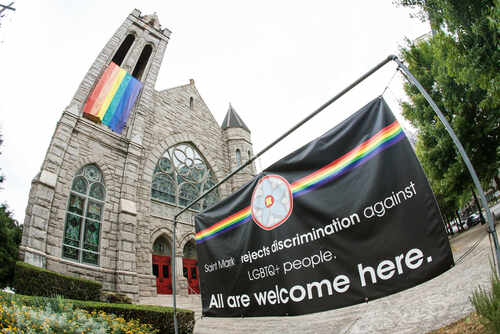
A queer arts nightclub inside a former Sydney church was shut down after Christian protests and a landlord’s warning that its shows were “offensive trade” mocking the faith.
Story Snapshot
- A new LGBTQ+ venue in a deconsecrated Sydney church closed days after opening when its landlord ordered it to stop “offensive trade.”
- Christian groups protested outside opening night, saying drag performances and planned “exorcisms” mocked sacred symbols and beliefs.
- The landlord’s breach notice cited “insulted and mocked” beliefs of “millions of Christian Australians” and warned of public grievance and disturbance.
- The dispute now raises bigger questions about free expression, religion, and who decides what counts as “offensive” in shared public spaces.
How a Former Church Became a Flashpoint
Divine Playhouse opened in early July inside a 158-year-old former church in Sydney’s central business district, now deconsecrated and used as a performance space. Promoters pitched it as an LGBTQ+ friendly pop-up venue for live music, drag, and avant‑garde shows, backed by a A$100,000 arts grant from the New South Wales government’s Create NSW program. For many queer artists, it promised a rare affordable stage in a city where rents and venue costs keep rising.
Christian concern began even before the doors opened, when early branding called the project “Unholy Playhouse” and advertised live “exorcisms” and a “Sunday Mess” party inside the old chapel. Those ideas struck many believers as a direct parody of sacred rites. Catholic Weekly reported thousands signing a petition demanding the government withdraw funding and apologize to Christians for supporting events they saw as mocking their faith. Tension was baked in before the first ticket was scanned.
Protests, Prayer Vigils, and a Breach Notice
On opening night, about 70 Christian protesters gathered outside, singing hymns and praying while guests lined up for the launch show. Groups such as Fit for the Kingdom and the Prodigal Sons called the imagery “blasphemous” and urged the government to pull its grant support. Photos shared online showed drag performers dressed as nuns and priests, which protesters said ridiculed religious life and encouraged disrespect toward Christianity in public culture.
Within days, the landlord KCSYD Pty Ltd sent a formal breach notice to the venue’s operator, HG Events. The notice, reported by Rolling Stone AU/NZ and Guardian Australia, ordered Divine Playhouse to “cease engaging in offensive trade” within two days or face lease termination. It stated the venue “insulted and mocked the sincerely held religious beliefs of millions of Christian Australians” and argued the trade had caused “grievance and disturbance” to neighbors and the general public. Faced with that threat, the venue shut and canceled all planned events.
Government Funding and Fears of Double Standards
The controversy quickly moved from one block in Sydney to the halls of government. The New South Wales premier said officials would review whether Divine Playhouse’s activities matched what was described in the grant application. Christian petitioners argued taxpayer money should never support shows they see as attacking their beliefs. Many queer artists responded that public arts funds exist partly to protect edgy work from political pressure and to give minority communities space to tell their stories.
To some conservatives, this story feels familiar. They see elites backing projects that mock religion while ignoring everyday struggles with inflation, crime, and housing. To some liberals, the case fits a pattern where landlords and protest pressure are used to shut down queer spaces rather than debate them openly. Both sides, however, share a worry that decisions are being made far from ordinary people, by lawyers, bureaucrats, and corporate owners who face little accountability when communities feel disrespected.
Who Decides What Counts as “Offensive Trade”?
At the heart of the dispute is a vague phrase in commercial leasing: “offensive trade.” The landlord claims the shows crossed a line by attacking religion, creating a risk of ongoing protests and possible danger to the public. Legal experts note that Australian courts rarely test these clauses around cultural expression and religion, so there is little clear guidance on how far a landlord can go in policing speech or art inside a leased building. That uncertainty leaves both tenants and neighbors guessing where the real limits lie.
🔴 Sydney LGBTQ+ venue ordered to shut after church-groups protest opening
Divine Playhouse, a venue in a deconsecrated 150-year-old church in Sydney's CBD, cancelled weekend events after its landlord issued a notice of breach demanding it cease "offensive trade" by Saturday or… pic.twitter.com/Lgcp2qTNvB
— NewsTongue (@NewsTongueX) July 14, 2026
For Christians who feel faith is mocked in media and schools, Divine Playhouse looks like one more sign that their values no longer matter in public life. For LGBTQ+ performers who have long faced exclusion, it feels cruel that a rare inclusive venue was closed after just one week. Many ordinary citizens, whatever their politics, see a deeper problem: rules are written by lawyers and enforced by big property owners, while regular people are left arguing on the sidewalk as decisions happen elsewhere.
Sources:
lifesitenews.com, au.rollingstone.com, theguardian.com, noticer.news, cityofsydney.nsw.gov.au, facebook.com, news.com.au