

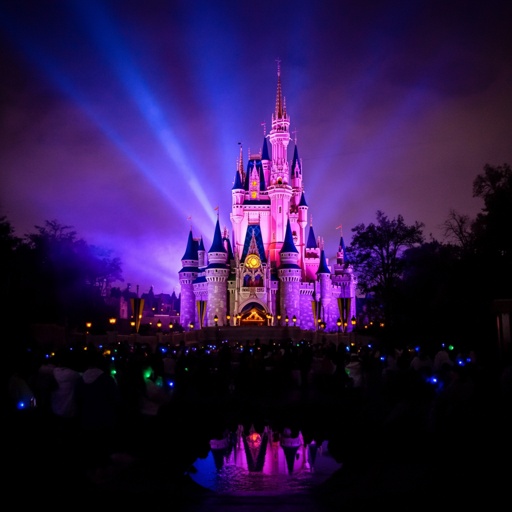
Disney’s “Code A” for human ashes exposes how a once-wholesome American icon now quietly manages morbid fan behavior while doubling down on secrecy and control inside its parks.
Disney’s Secret “Code A” and the Reality Behind the Magic
Disney superfans have been trying for years to leave their loved ones’ ashes inside Disney parks, turning the “happiest place on Earth” into a recurring biohazard scene. Former cast members and fan sites report that workers use a quiet radio warning called “Code A” when they believe human ashes have been scattered on an attraction or walkway. The “A” stands for ashes, and it triggers a fast, serious response that most nearby guests never realize is unfolding around them.
Reports describe similar terms such as “white powder alert” and the darkly joking “Code Grandma,” all pointing to the same problem: people secretly releasing cremated remains onto rides, into flower beds, or near icons like Cinderella Castle. Disney strictly forbids this under its property rules. When staff suspect ashes, they shut down the attraction, clear guests out, and call in custodial and maintenance teams to assess the substance and begin cleanup procedures.
How Ash Scattering Disrupts Rides and Triggers Biohazard Protocols
Cast member accounts say Haunted Mansion is the leading hotspot for these incidents, with some insiders claiming a significant share of the ride’s unplanned downtime comes from “Code A” alerts. Ashes can leave visible residue on ride vehicles and even show up under black light, making them relatively easy to confirm once suspected. After a “serious” incident, crew members in protective gear vacuum the material and treat the area like a biological hazard, rather than a sentimental memorial gesture.
Since the post-9/11 anthrax scares, any unidentified white powder in a crowded venue cannot be treated casually. That broader security reality drives Disney’s internal “white powder alert” language and its willingness to halt popular attractions without warning. What looks to onlookers like a routine temporary shutdown can actually be a full-blown hazmat-style response. Guests who scattered the ashes may think they are honoring family, but their actions inconvenience thousands of others and potentially require law enforcement cooperation if there’s doubt about what the powder really is.
Law, Property Rights, and the Limits of Fan Devotion
Under U.S. law, scattering ashes on private property requires the owner’s clear consent, and Disney does not grant that permission. Human remains can also fall under public health regulations, reinforcing the company’s duty to treat them as controlled material, not confetti. People who sneak urns or containers into the parks and quietly sprinkle ashes are, according to these reports, violating Disney rules and potentially state statutes, risking ejection, lifetime bans, and the humiliation of having security escort them out.
From a conservative perspective, this situation illustrates two competing principles. On one side, Disney has every right as a private property owner to enforce strict policies and protect families from disturbing sights or real biohazards. On the other, the extremism of fan culture—where adults are willing to break rules and disrupt other families’ vacations to keep a permanent tie to a corporate brand—raises questions about priorities and values in modern America. The parks have become almost religious spaces for some, blurring the line between wholesome entertainment and unhealthy obsession.
Secrecy, Corporate Power, and What Families Aren’t Told
Disney, like other massive corporations, prefers to handle unsettling situations quietly. Internal codes such as “Code V” for vomit, “Code H” for human feces, “Code U” for urine, and “BBP” for blood-borne pathogens help staff communicate problems without alarming guests. “Code A,” “white powder alert,” and “Code Grandma” fit into that same pattern of corporate-managed language. The goal is to protect the brand image and keep the smiling façade intact, even while workers deal with very real bodily fluids and human remains behind the scenes.
Conservative readers may see a broader lesson here about transparency and corporate influence. Families paying high ticket prices rarely hear that a ride went down because someone tried to scatter ashes nearby. Instead, the incident disappears into radio codes and backstage cleanup. While privacy is understandable, it reinforces how much control large companies hold over information in spaces that feel public but are tightly regulated private realms. That reality should matter to anyone who cares about informed consent, parental awareness, and respect for shared spaces.
Sources:
9 Disney World Cast Member Codes You Don’t Want to Hear Under Any Circumstance
Disney Cast Members Reveal Dark Park Secrets: What “Code Grandma” Really Means
A “Code A” Is BAD NEWS in Disney World – Here’s What It Means