

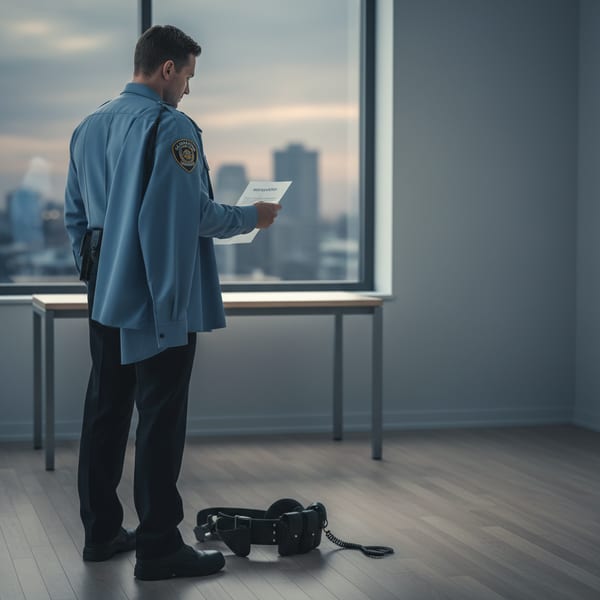
A seven-year veteran of the Eugene Police Department resigned immediately after bodycam footage captured him making controversial statements about immigrant communities during an anti-ICE protest response. The incident has sparked intense debate about police speech, departmental culture, and the line between private opinion and public service.
What the Bodycam Revealed
Officer Martin Siller’s resignation came after January 30 bodycam footage went viral over the weekend. The video captured Siller during a phone call while responding to protests outside Eugene’s old federal building. In the recording, he voiced strong criticism of Somali and Latino communities while expressing support for ICE enforcement. He also commented on the employment status of protesters and stated he had no concern for illegal aliens.
Chief Defends Department Culture
Eugene Police Chief Chris Skinner publicly identified Siller after the footage spread online and condemned the remarks as racist and deeply offensive. During a press conference, Skinner claimed Siller’s quick resignation proved the department doesn’t protect officers with such views. The chief suggested that Siller left rapidly because he knew he wouldn’t receive departmental backing, describing this as evidence of an anti-racist culture within the force.
The department has released additional bodycam footage from the same day and confirmed an independent investigation is examining whether other officers heard or participated in the conversation. A second officer from Grantsville, Utah, reportedly connected to the phone call now faces internal investigation by his own department.
Career Background and Consequences
Siller served with Eugene Police for seven years after completing a 20-year career with West Valley City Police Department in Utah. His resignation became effective immediately after the video surfaced, occurring before the department could launch a full internal review. The incident raises questions about officer screening, monitoring, and the impact of body-worn cameras on police accountability. Law enforcement experts note that bodycam technology increasingly captures unguarded moments that were previously private, creating new challenges for departments managing officer conduct and public perception.