

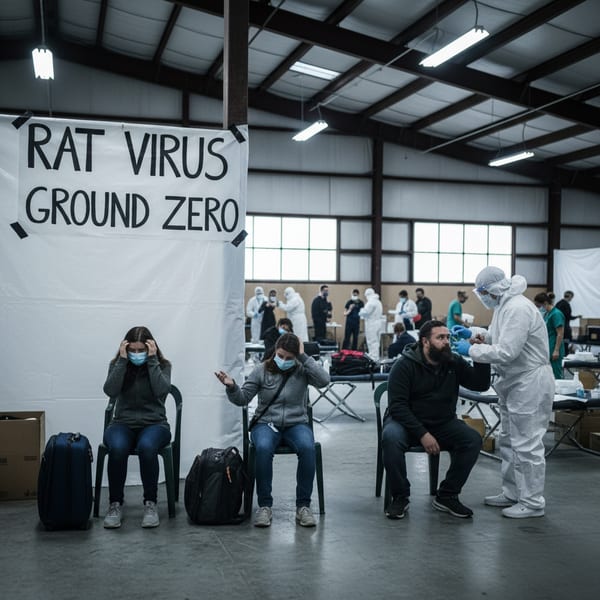
Thirty cruise ship passengers disembarked on a remote island completely unaware they may have been exposed to a deadly hantavirus that has already claimed one life, sparking an urgent international manhunt for potentially infected travelers scattered across the globe.
Deadly Virus Strikes Luxury Expedition
The Hondius cruise liner operated by Oceanwide Expeditions allowed 30 passengers to disembark at Saint Helena, a remote island off the coast of Angola, on April 24. Among those removed from the ship was the body of a passenger who died on April 11. None of the disembarking passengers knew about the danger because the first confirmed hantavirus case was not reported until May 4, a full 10 days after they left the vessel. The company has since contacted all passengers who left the ship, including seven from the United Kingdom.

#Hantavirus #UK #BreakingNews #Breaking Good Thursday Happy Friday Eve Labour Bayern

British Guide Airlifted in Serious Condition
Martin Anstee, a 56-year-old British wildlife photographer and former police officer, was among four passengers airlifted to the Netherlands on Wednesday after falling seriously ill aboard the ship. Anstee, who served as part of the guide team, is now stable and awaiting tests in isolation in Amsterdam. Before the voyage began on April 1 from Argentina, the photographer described the expedition to Tristan da Cunha, Saint Helena, and the Cape Verde islands as a trip of a lifetime. He spent days seriously ill on the vessel before authorities finally removed him for treatment.
International Health Threat Emerges
Hantavirus, commonly transmitted through contact with rodent droppings or urine, poses severe health risks and can be fatal without proper treatment. The 30 passengers who disembarked represent an international group from multiple countries, all now requiring monitoring and potential testing. Saint Helena, the same isolated island where Napoleon was exiled and died, has become ground zero for tracking potential exposures. Health officials face the challenge of monitoring passengers who have likely dispersed to their home countries worldwide, complicating containment efforts and increasing the risk of further transmission.